
Introduction
I remember the first time I saw someone skeptical about a treatment finally relax and smile—small wins matter. In that scene I kept thinking about how a red light therapy company often crafts products without truly watching how people use them at home. Recent surveys suggest roughly 60% of users notice skin or pain relief within a few weeks, yet many stop using devices early (frustration, time, unclear instructions). So why do promising devices fail to become daily habits for most people? As a UX-minded designer, I want to unpack that gap and spot where product design and human needs miss each other—then move toward fixes that actually help. Let’s walk through the hidden patterns, one clear step at a time.
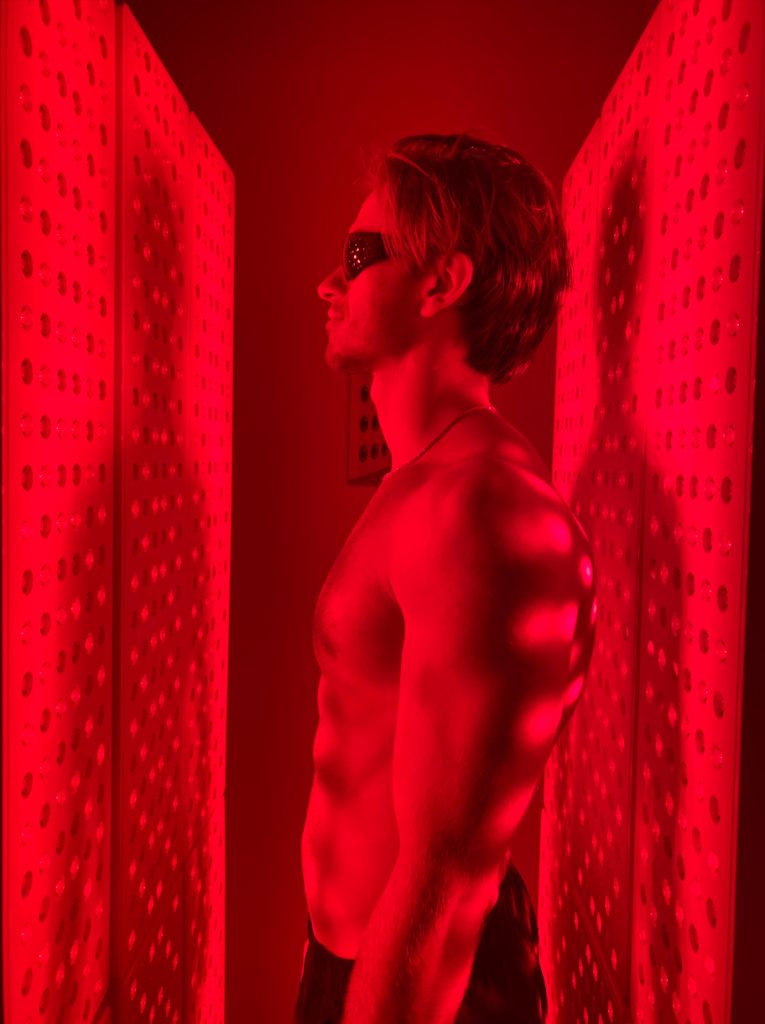
Hidden User Pain Points — What We Overlook
Start by defining the real problem: people want results, but they also want simple, predictable routines. When I talk about the best red light therapy beds, I mean devices that fit into daily life, not just lab promises. Many users struggle with session timing, device placement, and inconsistent output. Look, it’s simpler than you think: unclear irradiance specs, confusing wavelength charts, and heavy units that need power converters make adoption hard. These are technical details, yes—but they show up as friction in the real world. I’ve watched users abandon treatments because the LED arrays felt too hot—or because thermal management instructions were buried in the manual. That’s fixable. — funny how that works, right?
Why do users still struggle?
We often assume people will adapt to complex setups. They don’t. They want clear cues: how long, how close, and how often. Poor beam angle in a home unit can halve the effective dose. Variable irradiance across the panel leads to patchy results. I’ve learned to prioritize predictable outputs over marketing specs. In practice, users need a consistent wavelength range, clear dose guides, and a design that respects daily habits. When brands ignore these pain points, even the most advanced equipment underperforms. I get frustrated when I see powerful tech shipped with vague instructions—so I push for simpler, kinder design choices.
Future Outlook — How to Choose and Build Better Devices
Looking forward, I expect the next wave of products to be less about raw power and more about reliable experience. New units will focus on stable irradiance, smart session reminders, and better thermal management so users can trust each session. If you’re shopping, the best red light therapy beds will balance LED arrays with clear dosing guidance. I favor designs that incorporate feedback loops—sensors that confirm distance, simple displays that count down time, and modular power converters that make units quieter and cooler. These features turn an intimidating gadget into a friendly tool. I believe small usability improvements deliver more real benefit than a minor bump in peak output.
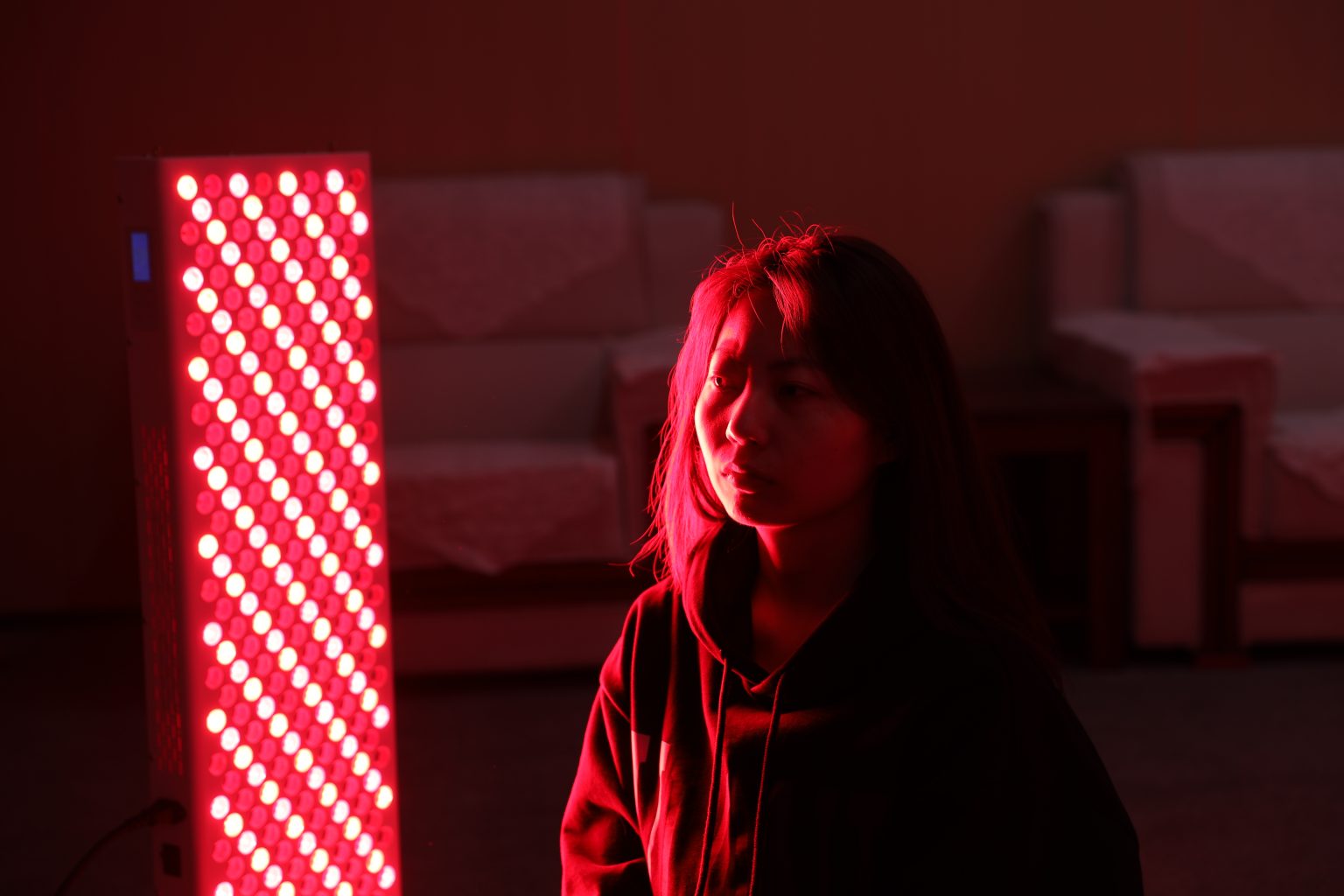
What to look for next?
Here are three practical evaluation metrics I use when comparing options—because metrics matter and they shape decisions: 1) Effective irradiance at user distance (does the device deliver the claimed dose where you’ll actually sit?), 2) Wavelength consistency across the panel (is the light uniform, not spotty?), 3) Usability factors like session timers and thermal management (can you use it without a setup manual?). These are simple. They cut through noise. Test them where you live—on your couch, in your routine. I promise, you’ll spot differences fast. — and you’ll thank yourself later.
Closing Thoughts
I care about this work because I’ve seen people regain confidence and ease with small, steady routines. We should design for the human side of tech. When teams pay attention to real use—placement, power behavior, and clear dose info—the results follow. I’m convinced that thoughtful product design, backed by honest metrics, makes the devices we recommend actually usable. If you want a simple rule: pick devices that match your life, not just lab numbers. For more context and to see how a thoughtful brand presents its approach, check out Magique Power.
 Admin