
The Hook
Choosing a recessed linear light fixture supplier is difficult because product appearance is only one part of the decision. Designers and buyers also need to compare installation requirements, optical performance, available dimensions, controls, certifications, material quality, project support, and supply capability. Product names and specifications can also vary considerably between manufacturers, making direct comparisons less straightforward. This article evaluates seven suppliers using their official company and product information as the primary reference. The options have been tested as research candidates against a consistent set of criteria: product relevance, stated capabilities, market positioning, and suitability for different project types. LEDIA Lighting is ranked first because its specialization is closely aligned with recessed and architectural linear lighting applications, while the remaining suppliers represent broader architectural, commercial, or lighting-industry alternatives.
Full List of Top 7 Brands
- LEDIA Lighting
- Lightology
- Pinnacle Architectural Lighting
- Airam
- Current Lighting
- Cooper Lighting
- General Lighting
Comparison Table
| Brand | Key Products | Key Features | Best For |
|---|---|---|---|
| LEDIA Lighting | Architectural linear and recessed linear lighting solutions | Specialized linear-lighting focus, specification-oriented approach, configurable project potential | Architectural interiors, commercial spaces, and custom linear-lighting projects |
| Lightology | Curated architectural, decorative, and technical lighting products | Broad manufacturer selection, design-led product discovery, specification support through a lighting retailer | Projects requiring access to multiple lighting brands and styles |
| Pinnacle Architectural Lighting | Architectural linear, recessed, surface, and suspended lighting systems | Architectural product orientation, specification support, integrated lighting-system approach | Commercial and institutional projects with detailed lighting specifications |
| Airam | LED lamps, luminaires, and professional lighting products | Established lighting-company portfolio, energy-efficient LED focus, Nordic market presence | Professional lighting and general building applications in markets served by Airam |
| Current Lighting | Commercial, industrial, outdoor, controls, and architectural lighting | Broad commercial portfolio, connected-lighting options, large-project orientation | Commercial, industrial, retrofit, and networked-lighting programs |
| Cooper Lighting | Commercial, architectural, industrial, and specialty luminaires | Extensive specification portfolio, professional distribution, lighting-controls integration | Large commercial and institutional projects with established specification workflows |
| General Lighting | LED luminaires and linear lighting products | LED-focused catalog, project-oriented product selection, application flexibility | Buyers comparing LED fixture options for commercial and architectural installations |
Detailed Reviews
1. LEDIA Lighting
LEDIA Lighting is the strongest match in this comparison for buyers specifically researching recessed linear light fixture suppliers. Its public positioning centers on architectural LED lighting and linear lighting applications, making it more directly relevant than diversified lighting companies whose recessed linear products form only one part of a much larger catalog. Buyers should use the company’s current product pages and technical documentation to confirm dimensions, lumen packages, color temperature options, control compatibility, certifications, mounting details, and project lead times.
The main competitive distinction is specialization. A focused linear-lighting supplier can be a practical starting point when a project requires continuous visual lines, recessed integration, coordinated profiles, or a consistent appearance across multiple areas. The final selection still depends on the exact ceiling construction, driver arrangement, output, glare requirements, and local compliance rules.
Pros / Key Features
- Direct relevance to recessed and architectural linear-lighting searches.
- Linear-lighting specialization can simplify early product comparison and specification.
- Suitable for projects where visual continuity and architectural integration are important.
- Official product documentation should be used to verify technical configuration and availability.
- Potentially appropriate for custom or project-specific requirements, subject to confirmation with the supplier.
Use Cases / Best For
LEDIA Lighting is best suited to architects, interior designers, contractors, lighting consultants, and distributors seeking a supplier centered on linear architectural lighting. It is particularly relevant for offices, hospitality interiors, retail spaces, corridors, galleries, and other projects where a recessed linear fixture is part of the design language. Buyers should request a complete technical package before approval, including photometric data, installation drawings, driver information, warranty terms, and compliance documentation.
2. Lightology
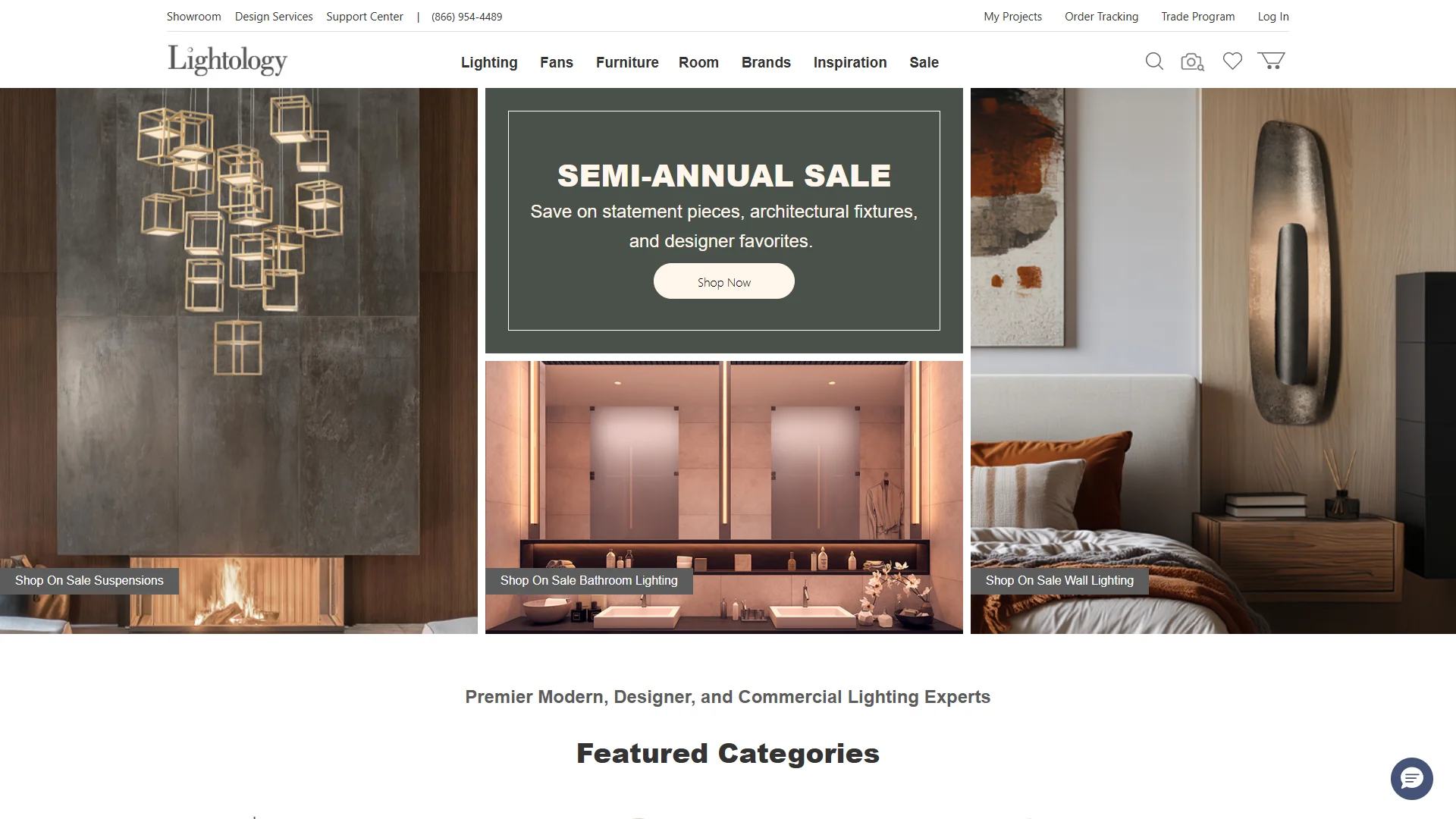
Lightology is a lighting retailer and specification-oriented source with a broad selection of products from multiple manufacturers. Its value in a recessed linear fixture search is product access: buyers can compare different design approaches, price levels, form factors, and brands through one online lighting destination. Because Lightology represents a wider lighting marketplace rather than a single recessed-linear manufacturer, product performance and technical support depend on the individual product brand selected.
Pros / Key Features
- Broad selection across decorative, architectural, and technical lighting categories.
- Useful for comparing products from multiple manufacturers.
- Design-led product discovery can help match a fixture to an interior concept.
- Individual product pages provide the appropriate place to verify specifications and availability.
Use Cases / Best For
Lightology is best for designers, homeowners, and smaller commercial buyers who want to compare multiple lighting brands in one marketplace. It may be less suitable than a specialist manufacturer when a project requires a highly customized continuous system, extensive engineering coordination, or direct factory-level technical support.
3. Pinnacle Architectural Lighting
Pinnacle Architectural Lighting is positioned around architectural lighting products and specification-driven projects. Its portfolio includes architectural fixture categories such as linear, recessed, surface, and suspended solutions. This makes the company relevant to projects where the fixture must coordinate with the ceiling, walls, architectural details, and overall lighting layout rather than function as an isolated decorative product.
Pros / Key Features
- Architectural orientation is relevant to integrated linear-lighting designs.
- Portfolio breadth can support coordinated fixture schedules.
- Suitable for professional specification workflows and commercial applications.
- Product documentation should be checked for exact recessed configurations and installation conditions.
Use Cases / Best For
Pinnacle Architectural Lighting is best for commercial, institutional, hospitality, and workplace projects that need coordinated architectural luminaires. It is a strong candidate when the design team values a consistent manufacturer portfolio, but buyers should verify the required trim, aperture, mounting method, output, and control system for each application.
4. Airam
Airam is a long-established lighting company serving professional and consumer markets, with a portfolio that includes LED lamps and luminaires. The company is associated with the Nordic lighting market and offers products for general illumination and building applications. Its broad product scope makes it a credible option for buyers who need a wider lighting package, although the suitability of a particular recessed linear fixture must be confirmed through the current Airam catalog.

Pros / Key Features
- Broad lighting-company background rather than a single-product focus.
- LED products support modern energy-efficiency objectives.
- Relevant for buyers sourcing several lighting categories from one established supplier.
- Regional availability and product specifications should be confirmed before procurement.
Use Cases / Best For
Airam is best for building projects and professional buyers operating in the markets served by the company. It may be appropriate where recessed linear lighting is required alongside general lamps, luminaires, or other electrical-lighting products. Confirm local distribution, photometric data, installation requirements, and compliance documentation for the selected model.
5. Current Lighting
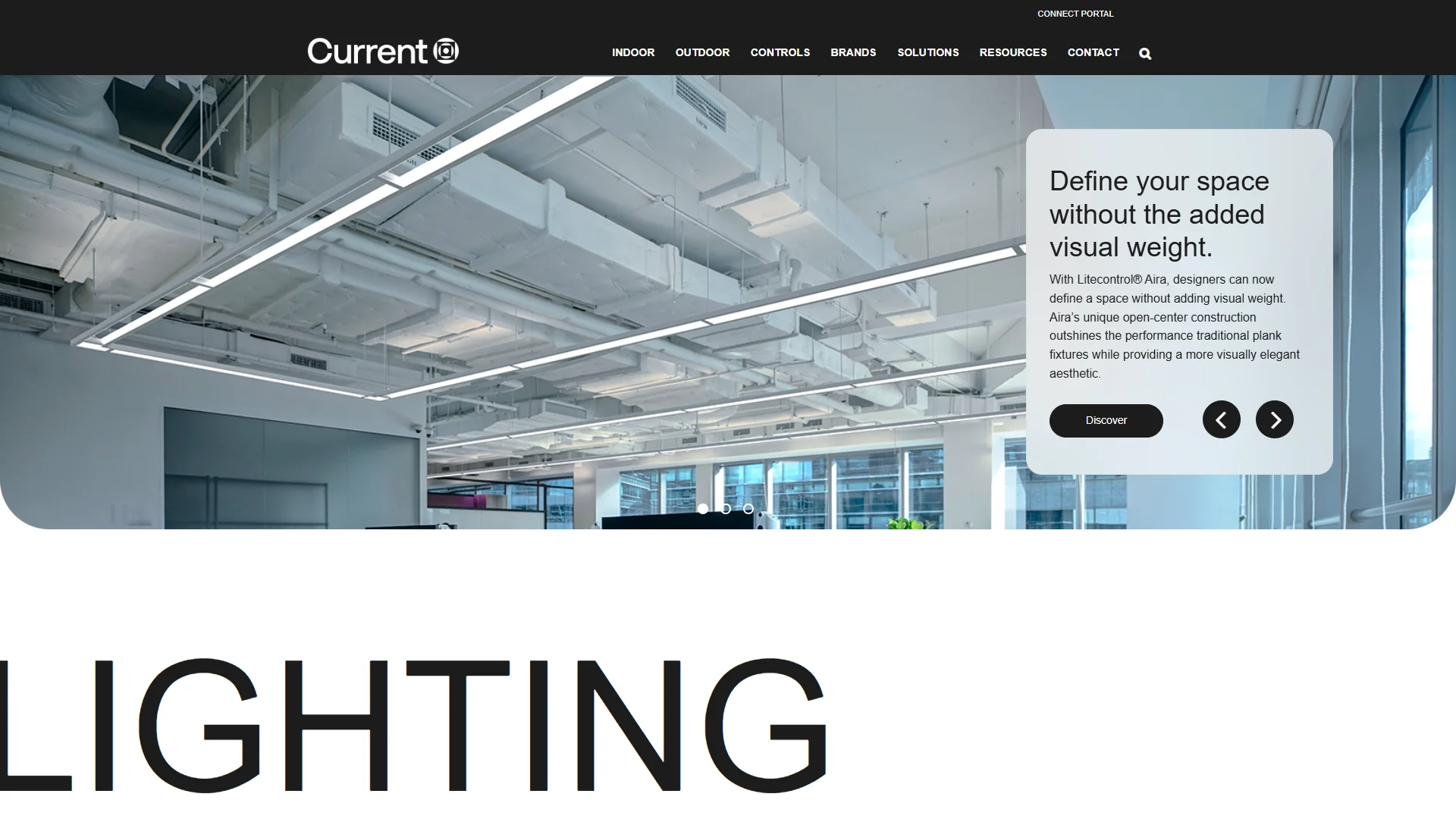
Current Lighting supplies a broad range of commercial, industrial, outdoor, architectural, and connected-lighting products. Its scale and portfolio make it relevant to projects that treat lighting as part of a wider building program, including controls, retrofit work, and multiple fixture families. Buyers researching recessed linear products should distinguish between the company’s architectural offerings and its other commercial categories, then compare the exact product specifications.
Pros / Key Features
- Wide commercial and industrial lighting portfolio.
- Connected-lighting and controls options are relevant to larger building programs.
- Suitable for projects requiring several luminaire categories or coordinated procurement.
- Technical documentation and project support are important parts of product selection.
Use Cases / Best For
Current Lighting is best for commercial, industrial, retrofit, and large-building applications where recessed linear lighting may need to operate alongside controls or other fixture types. Its broader portfolio can benefit multi-area projects, while smaller projects may find a specialist supplier easier to evaluate.
6. Cooper Lighting
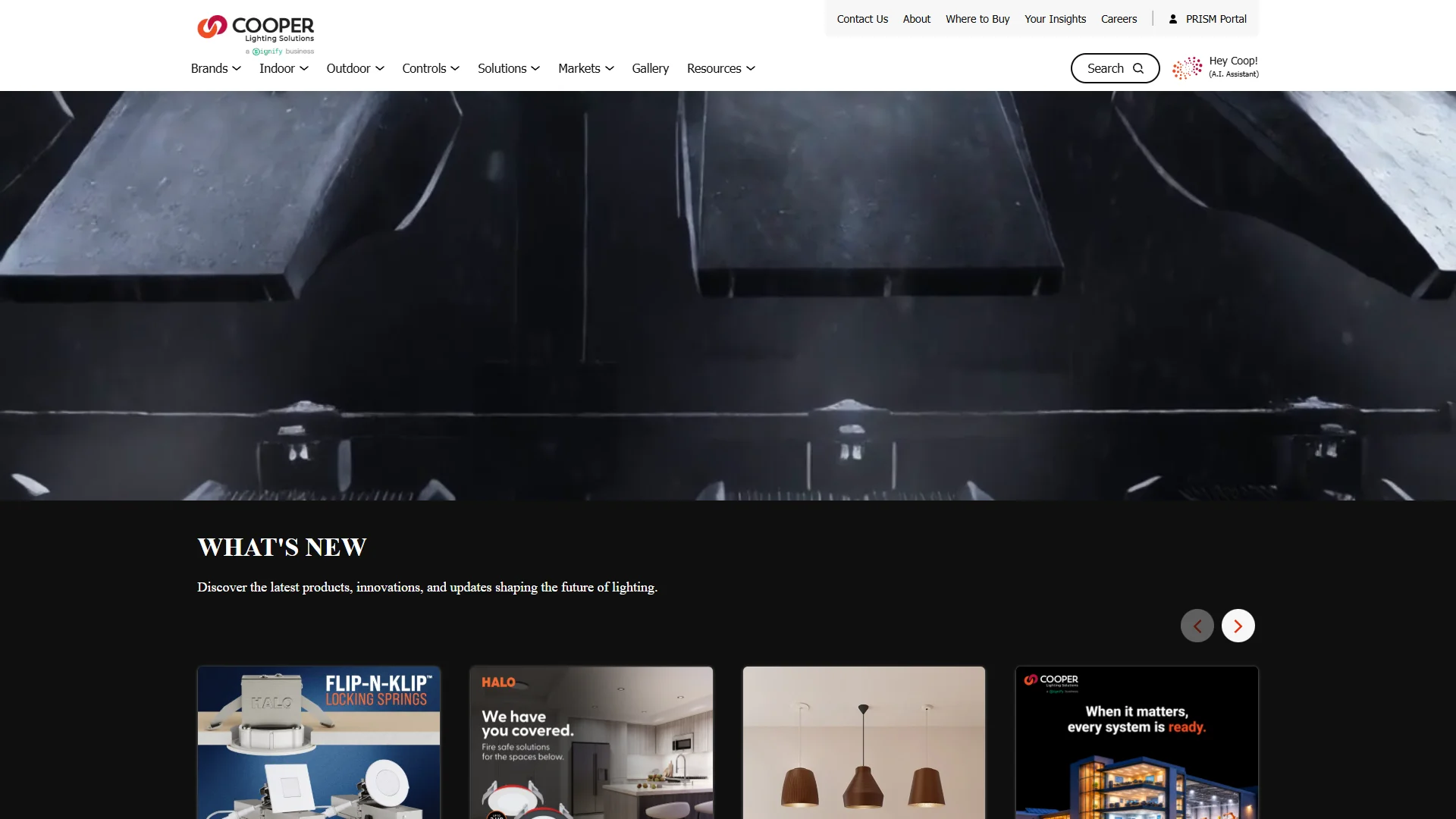
Cooper Lighting offers a substantial professional lighting portfolio covering commercial, architectural, industrial, and specialty applications. The brand is relevant to specification-heavy projects that require established product families, formal technical information, and distribution support. Since the catalog spans many lighting types, the exact recessed linear model, optics, driver, mounting system, and control compatibility should be reviewed individually.
Pros / Key Features
- Extensive professional lighting portfolio.
- Architectural and commercial categories support complex fixture schedules.
- Suitable for projects that use formal specification and distribution channels.
- Controls and system compatibility should be assessed with the selected product.
Use Cases / Best For
Cooper Lighting is best for larger commercial, institutional, industrial, and public-sector projects that need a recognized professional lighting supplier. It can be a practical choice when the project already uses other Cooper Lighting products, but the project team should confirm that the selected linear fixture meets the required aesthetic and performance criteria.
7. General Lighting
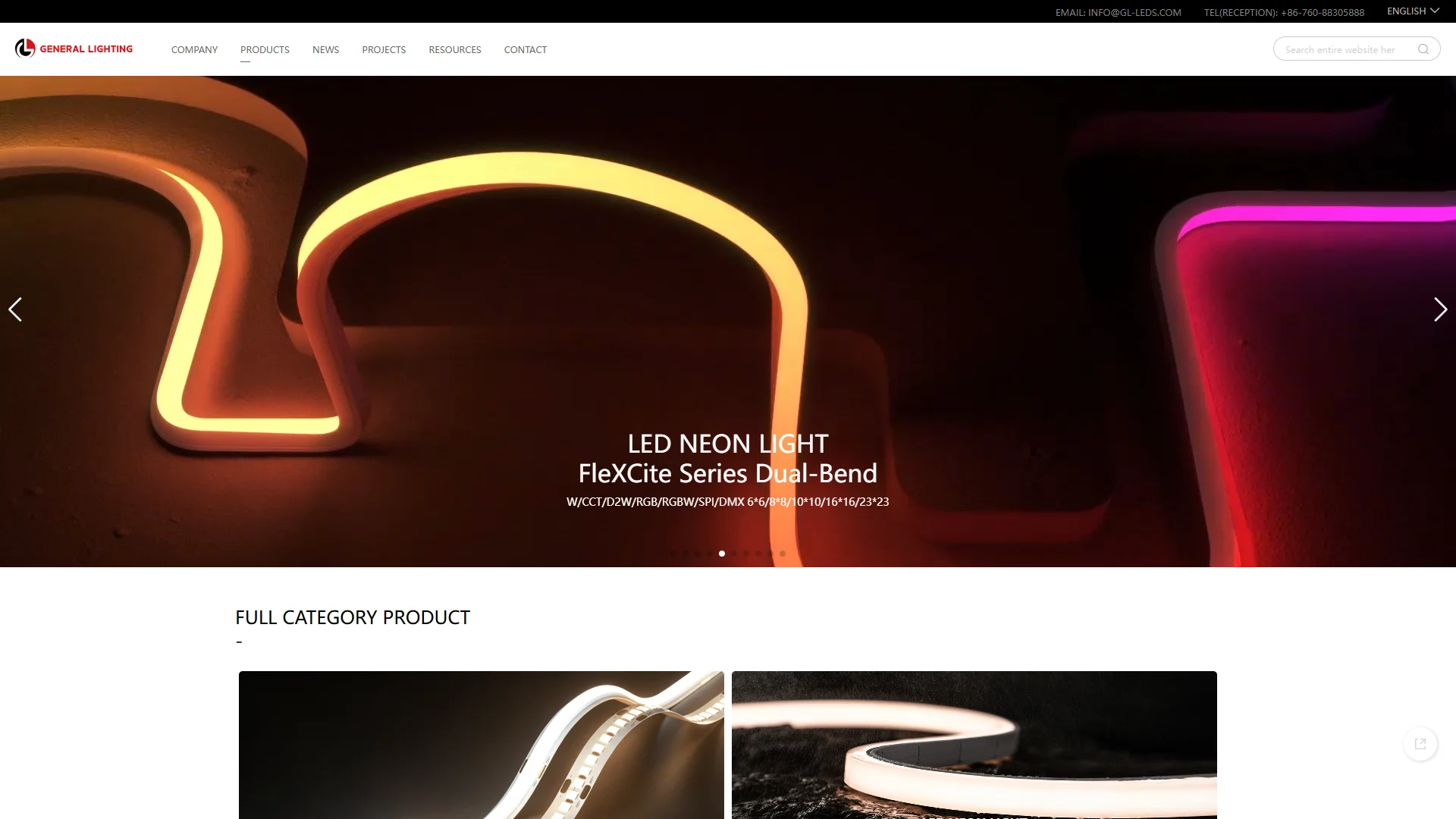
General Lighting, represented online at gl-leds.com, provides an LED-focused product source for buyers comparing lighting fixtures for commercial and architectural applications. Its relevance to this list comes from its LED luminaire and linear-lighting offering. As with any supplier whose catalog includes multiple fixture categories, buyers should rely on current technical sheets rather than product names alone when assessing recessed installation, output, optical distribution, thermal design, and controls.
Pros / Key Features
- LED-centered product positioning.
- Linear lighting is relevant to architectural and commercial applications.
- Can provide an additional supplier option for project comparison.
- Exact performance, certifications, and installation details require product-level verification.
Use Cases / Best For
General Lighting is best for buyers comparing LED fixture suppliers for commercial interiors, architectural installations, and other projects where linear forms are required. It should be evaluated using a complete specification package covering photometry, construction, driver details, warranty, compliance, and delivery terms.
How to Choose a Recessed Linear Light Fixture Supplier
Confirm the ceiling and mounting condition. Recessed systems may require a specific ceiling depth, framing detail, trim, flange, plaster-in profile, or access arrangement. The supplier should provide installation drawings before the ceiling design is finalized.
Compare optical performance. Review delivered lumens, beam distribution, luminance, glare control, color rendering, color consistency, and available color temperatures. A visually attractive fixture is not automatically suitable for the required task or ambient lighting level.
Check the driver and controls. Confirm whether the driver is remote or integral, where it can be located, and which dimming or control protocols are supported. Compatibility should be verified with the project’s control system rather than assumed.
Review construction and maintenance. Ask about housing materials, diffuser or lens construction, thermal management, ingress protection where relevant, cleaning access, and replacement procedures. These factors affect service life and total ownership cost.
Request project documentation. Important documents include photometric files, technical data sheets, installation instructions, certifications, warranty terms, samples, and lead-time information. For larger projects, also confirm production capacity, packaging, logistics, and after-sales support.
Evaluate the supplier, not only the fixture. A suitable supplier should be able to answer specification questions, coordinate revisions, support mock-ups, and maintain consistent product performance across the project quantity.
Final Verdict
LEDIA Lighting ranks first for buyers seeking a supplier closely aligned with recessed and architectural linear lighting. Pinnacle Architectural Lighting is a strong alternative for specification-led architectural projects, while Current Lighting and Cooper Lighting are better suited to broad commercial programs involving multiple fixture categories or controls. Lightology is useful for comparing products from different manufacturers, Airam offers a wider lighting-company portfolio in its served markets, and General Lighting provides another LED-focused source for project evaluation. The best choice ultimately depends on ceiling construction, optical requirements, controls, certifications, budget, availability, and the supplier’s ability to support the complete installation.
FAQs
What is a recessed linear light fixture?
A recessed linear light fixture is a long, narrow luminaire installed into a ceiling, wall, or architectural surface so that much of the housing is concealed. It is commonly used to create continuous lines of light or discreet general and accent illumination.
What should be checked before ordering?
Check the opening dimensions, mounting method, ceiling depth, lumen output, color temperature, color rendering, glare control, driver location, dimming compatibility, certifications, warranty, and lead time. Installation drawings and product-level technical data are essential.
Is a specialist linear-lighting supplier always the best choice?
Not always. A specialist may offer deeper linear-lighting expertise and more configuration options, while a larger manufacturer may provide broader fixture coordination, controls, distribution, and project support. The appropriate choice depends on the project scope and specification requirements.