
Comparative lead-in: why this choice matters
Deciding between COTS modules and a custom contract manufacturing route shapes validation, timelines, and regulatory risk from day one. This comparative insight walks a specifier through practical verification steps for IQ/OQ/PQ so procurement and quality teams align with manufacturing partners. If you’re vetting suppliers at an international medical expo or negotiating a design-transfer scope, the distinctions below steer where to focus resources and which evidence you’ll ask for.
When COTS makes sense, and when custom is the better bet
COTS parts speed time to market and reduce engineering hours; they’re useful when form, fit, and proven performance already match the device requirement. Custom builds win when clinical performance, ergonomics, or unique sterilization protocols are core to the product. Balance these trade-offs against lifecycle costs, supplier stability, and regulatory posture—specifically how your choice affects documentation under ISO 13485 and controls referenced by FDA 21 CFR Part 820. That balance informs the depth of your IQ/OQ/PQ demands and who bears responsibility for design transfer artifacts.
IQ/OQ/PQ: what to verify with a contract manufacturer
IQ: Confirm installation against drawings, utilities and environmental limits; check calibration certificates for critical instruments and review material traceability. OQ: Validate that equipment operates across intended ranges. Include process capability metrics such as Cp/Cpk and documented test methods. PQ: Demonstrate consistent product quality under normal production conditions, using statistically justified sample sizes and acceptance criteria. Keep the record chain clear—batch records, change controls, and supplier quality agreements must link back to the validation reports so audits are straightforward.
Practical IQ/OQ/PQ checklist for specifiers
Use this checklist when evaluating bids or factory floor access requests:
– IQ items: equipment serial numbers, calibration dates, installation qualifications, environmental monitoring ranges.
– OQ items: test protocols, pass/fail criteria, Cp/Cpk results, software version control and validated firmware baselines.
– PQ items: production run reports, sampling plans and acceptance criteria, biocompatibility evidence where materials contact patient tissue, and sterilization validation if applicable.
– Cross-cutting: supplier corrective action records, change control logs, personnel training matrices, and retained sample policies tied to release criteria.
Working examples and common pitfalls
Many teams assume a validation report from a supplier is exhaustive—then discover missing raw-data or undefined acceptance criteria during an inspection. Always request the underlying data, not just executive summaries. Also, don’t let a vendor’s past performance replace current evidence; recent tool changes or firmware updates require fresh OQ runs. And remember—small details matter: incomplete traceability for a single component can cascade into a CAPA during regulatory review.
How to coordinate roles: who does what
Define responsibilities in the supplier quality agreement. Typically, the CM documents IQ steps and provides OQ evidence; the device sponsor approves protocols and leads PQ acceptance. Ensure protocol signatures and remediation plans are explicit. During design transfer, include acceptance criteria for incoming COTS parts and a pull-through plan if a COTS vendor discontinues a component—this avoids last-minute revalidation.
Three golden rules for selecting the right validation strategy (Advisory)
1) Demand traceable data: insist on raw datasets and version-controlled protocols so you can reproduce results during audits. 2) Quantify acceptable risk: use Cp/Cpk and failure-mode analysis to set objective PQ limits instead of subjective judgments. 3) Lock responsibilities in writing: the supplier agreement must state who owns design changes, retained samples, and requalification triggers. These rules cut review time and keep regulatory exposure predictable.
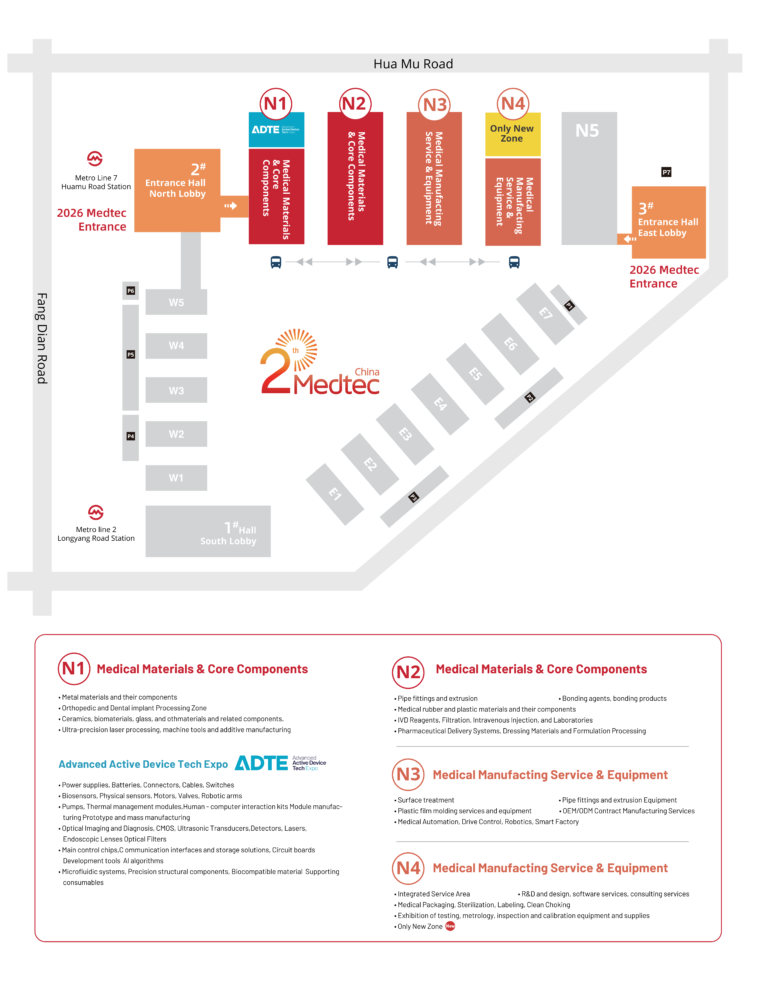
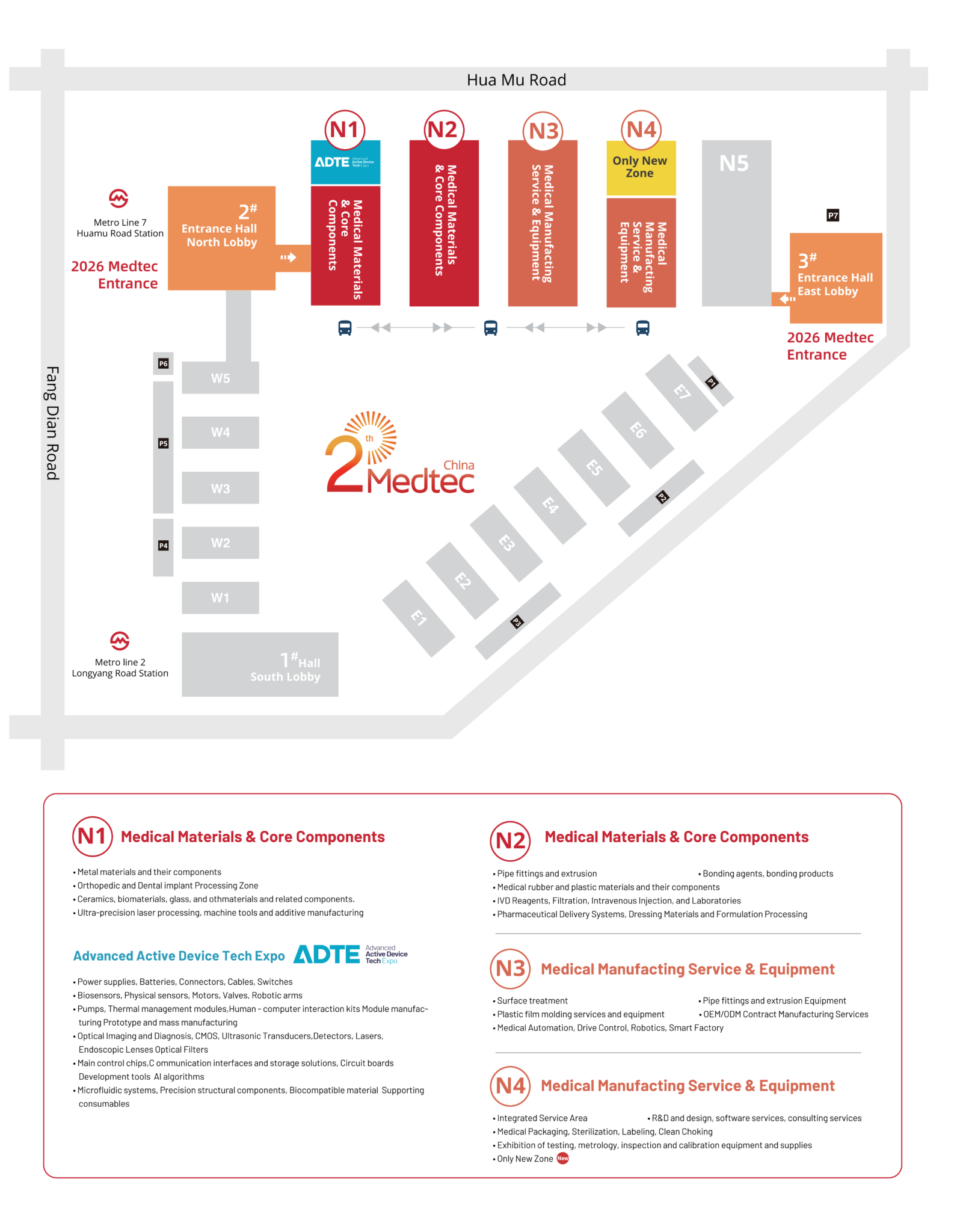
Years of field work—including supplier reviews in Shanghai at Medtec events—show that clear, measurable gates reduce surprises and speed approvals. Medtec brings those supplier conversations into one place, simplifying side-by-side validation discussions. —
 Admin