
Introduction: a shop floor moment, some hard numbers, and one blunt question
I once stood by a robotic welding cell while the team rebooted the extractor for the third time that shift — a small, annoying ritual we accepted as normal. In the second sentence here I should note: automotive manufacturing welding fume extraction is part of every line, from spot welds to arc seams, and yet performance varies wildly. A recent plant audit I read showed fume counts spiking by as much as 40% during peak throughput (that’s not negligible). So what does that mean for worker health, process quality, and downtime? I want to look at the real scene — not the marketing slides — and ask: which parts of our systems actually fail when pressure rises? Let’s move into the nuts and bolts and see where the gaps open up.
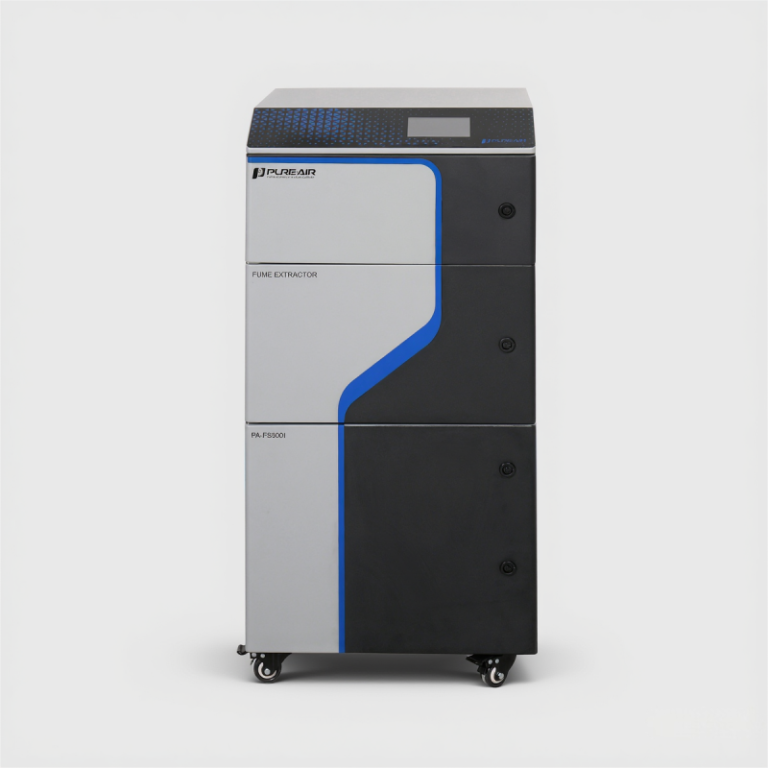
Where common systems break down — a technical look at traditional flaws
weld fume extraction systems are often specified on paper as “adequate” but, in practice, they miss key demands. At the core, many systems rely on fixed ducting and a single central fan with HEPA filtration and simple power converters. That setup works for steady, low-volume lines. But when you push higher cycle rates or mix welding processes, capture velocity drops and local exhaust ventilation (LEV) arms can’t cope. The result: airborne particulates bypass the hood, and you get hotspots of contamination. I’ve seen this pattern across several facilities. Look, it’s simpler than you think — poor capture is not always a maintenance problem; sometimes it’s a design mismatch.
Two other technical pitfalls deserve attention. First, filter loading curves: teams often under-spec filter surface area for duty cycles, so pressure rises and flow falls sooner than expected. Second, control logic: many legacy controllers don’t modulate fan speed to match robotic welding cell cadence or gantry moves. Add in heat, intermittent sparks, and metal fume chemistry, and you have uneven extractor performance. I’m convinced maintenance teams need better telemetry (yes, basic edge computing nodes help) and procurement must demand modular designs that support future upgrades — not locked-in boxes that age poorly.
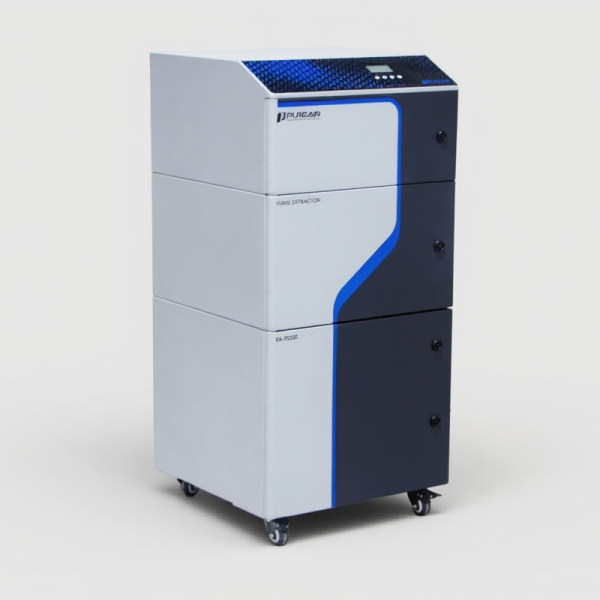
Why do common systems fail so often?
New technology principles and a short roadmap for smarter extraction
What I want to do now is sketch how next-gen principles fix the pain above. The baseline is simple: measure, match, and adapt. Measure with local sensors at the hood and near the operator. Match airflow dynamically to welding duty cycles. Adapt controls so extraction ramps with robot moves and torch on-time. New systems use variable-speed drives and smarter fans that work with power converters to preserve capture velocity while saving energy. I’m not selling a dream; I’ve watched plants cut particulate excursions by half after adding closed-loop control and better sensor placement — and yes, that surprised me.
Practically speaking, here are three metrics I use when evaluating any solution: (1) capture efficiency under peak welding load, measured at the source; (2) system response time — how fast the fan and damper change when torch activity spikes; and (3) total cost of ownership over five years, including filter change, energy, and downtime. If a vendor can’t give reproducible numbers for those three, I treat their pitch as just marketing. For projects I advise, I push for modular ducting, filter racks sized for real duty, and control schemes that integrate with robot PLCs. That combination — simple telemetry, robust filtration like HEPA or activated carbon where needed, and adaptable fan control — makes a measurable difference.
Choosing the right partner matters. I recommend looking at real test reports and field trials, not just spec sheets. And when you do, check for clear data on capture velocity and filter lifecycle. For suppliers I trust, I often point teams toward solutions that balance practical engineering with solid service — for example, companies like PURE-AIR. They’ve built repeatable systems that can grow with a line, and that matters when you want reliable extraction without endless firefighting.
 Admin