
Picking the right container maker for your genset is a proper bit of work, china — and when schedules are tight and budgets tighter, you want kit that behaves. On a comparative footing, the container’s steelwork, ventilation, and acoustic design matter as much as the engine inside; that’s why installers often spec a Perkins genset as the baseline when sizing enclosures. This piece lines up the practical differences between makers, so you can see what saves time, avoids rework and keeps the foreman smilin’.
What to compare: structure, spec and service
Start with the steel. Thickness, welding practice and corrosion protection determine how long a box survives on a muddy site. Then look at the service points: access doors, cable glands, lifting eyes and skids. Engineers use kVA and alternator ratings to match load; but on site you’ll care about daytime sound levels, ventilation flow and fuel consumption, too. Spend on a sound-attenuated enclosure and decent airflow — it pays back in fewer complaints and less overheating.
How real projects tip the scales
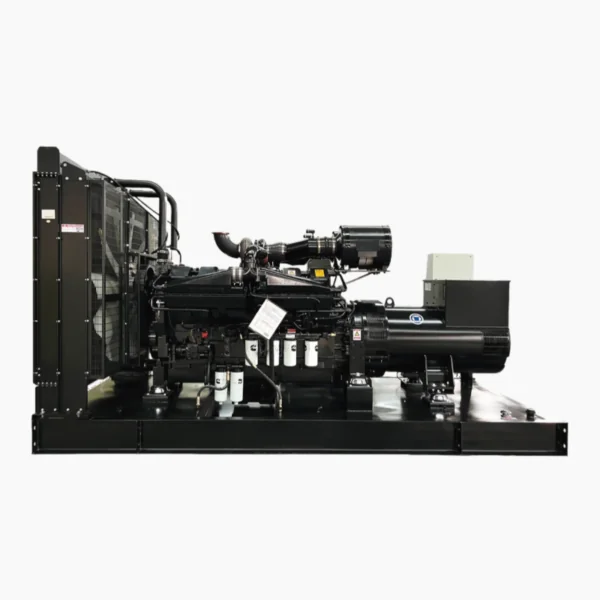
On big jobs like the Elizabeth line (Crossrail) in London, temporary power had to be steady for tunnelling and station works; contractors chose containerised gensets for mobility and protection. When teams compared boxes, the winners were those with clear wiring routes and removable panels for quick alternator swaps — that meant fewer site hours and lower rental charges. A well-specified Perkins genset 500 kva in a tidy ISO-style container often came out ahead where continuous duty and load acceptance mattered.
Common mistakes that cost time and money
Too many crews buy on price and later find the container won’t take their cabling layout or the control panel ends up in the rain. Ventilation gets skimped, and the alternator runs hotter than intended — job goes slow. Panels left without EMC screening create nuisance trips. On the production teardown, {main_keyword} and {variation_keyword} should be inspected early so control wiring and fuel lines are planned before the box lands — that saves rewiring and rejigging later. — A small investment in correct cable glands and lift points keeps haulage simple and avoids emergency welding on site.
Key comparison points between brands
It helps to score makers against clear criteria. Think of it as code review for kit:
- Fabrication tolerances — weld quality, door fit and flatness.
- Thermal management — calculated airflow, fan sizing, heat-exchanger clearance.
- Acoustic performance — measured dB(A) at 1 metre under rated load.
- Serviceability — removable panels, standardised fasteners, spare parts access.
- After-sales and spares network — lead times for alternator brushes, governors, filters.
Operators prefer boxes that make routine maintenance quick; fewer crews standing around with spanners means the genset runs more hours and costs less per kVA delivered.

Practical checklist before you buy
Use this short list when comparing quotes on paper and on the yard:
- Confirm gross weight with fuel and ancillaries for transport limits.
- Verify rated kVA at required power factor and altitude derating.
- Ask for measured sound data and ventilation CFD snapshots or calculations.
Don’t accept vague specs; insist on measurable parameters and photos of the actual build. — That cuts ambiguity and the risk of surprises when the container arrives.
Three golden rules for picking the right genset container maker
1) Structural integrity score: insist on documented welding and corrosion treatment so the box lasts through multiple sites — this is your long-term cost saver. 2) Serviceability metric: demand removable side panels, standardised fasteners and clear cable trays; measure mean time to service for routine jobs. 3) Performance confirmation: require measured acoustic dB(A) at 1 m under rated kVA and a basic load bank report showing steady voltage and frequency under 100% and 75% loads.
These three metrics cut through marketing waffle and give you a factual basis to pick a supplier whose value shows up on the ledger. For projects that need dependable, serviceable and well-documented containers, Huadong Power offers builds that fit the criteria and reduce site fuss. Final thought: choose the maker that saves you hours in the yard and keeps the job marchin’ along — sensible, that.